
MPs and animal protection groups gather at the Parliament to call for a ban on fur farming in Catalonia
Barcelona, 9 April 2026 — This morning, the “End Fur” initiative was presented in front of the Parliament of Catalonia. The proposal calls for the adoption of Catalan legislation to prohibit the breeding of animals solely for fur production and to prevent the authorisation of new fur farm establisments in the region. The event brought together political representatives from parliamentary groups, alongside animal advocates from the international coalition Fur Free Alliance, to outline the aims of the proposal and begin the parliamentary process to ban fur farming.
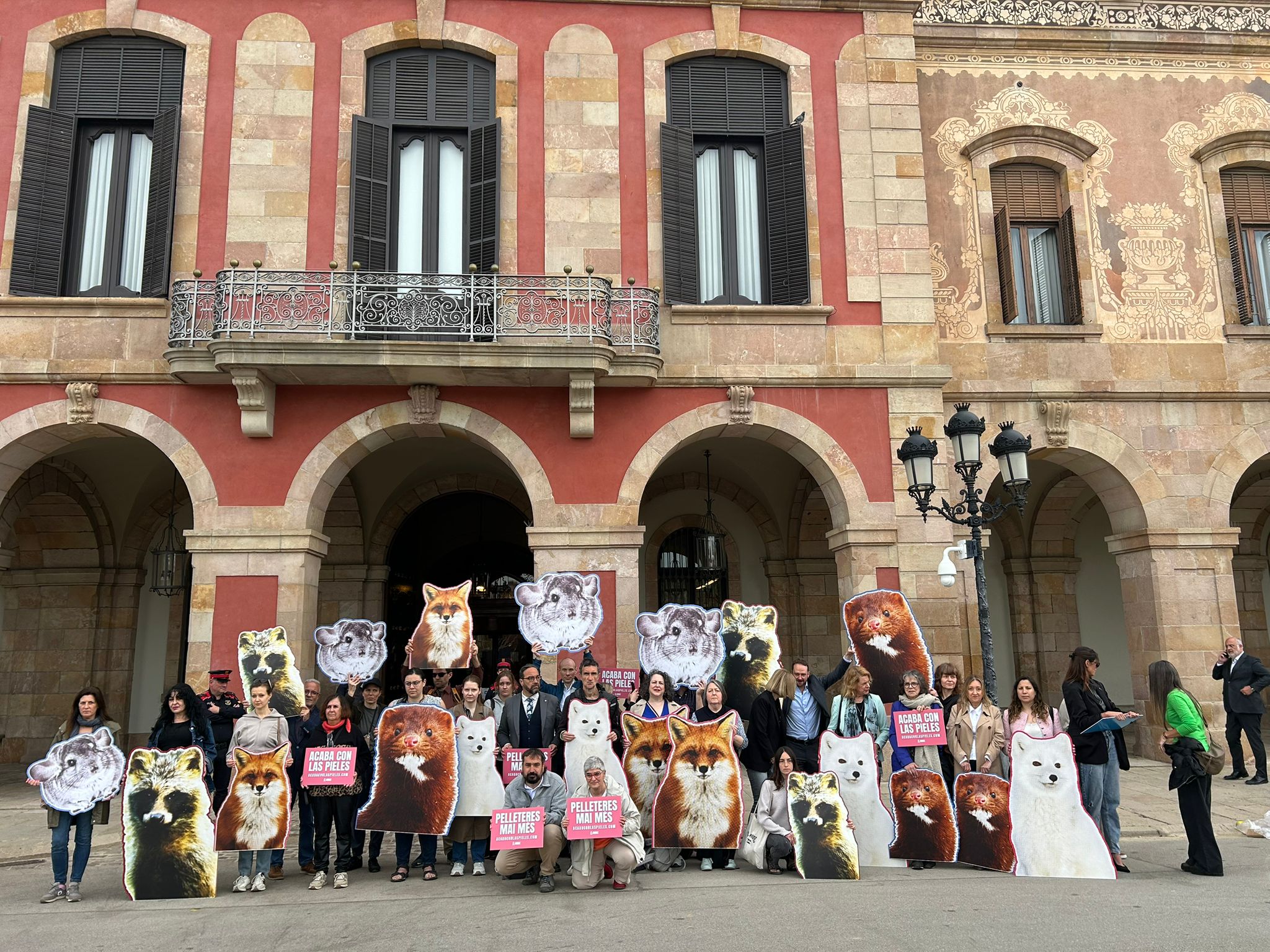
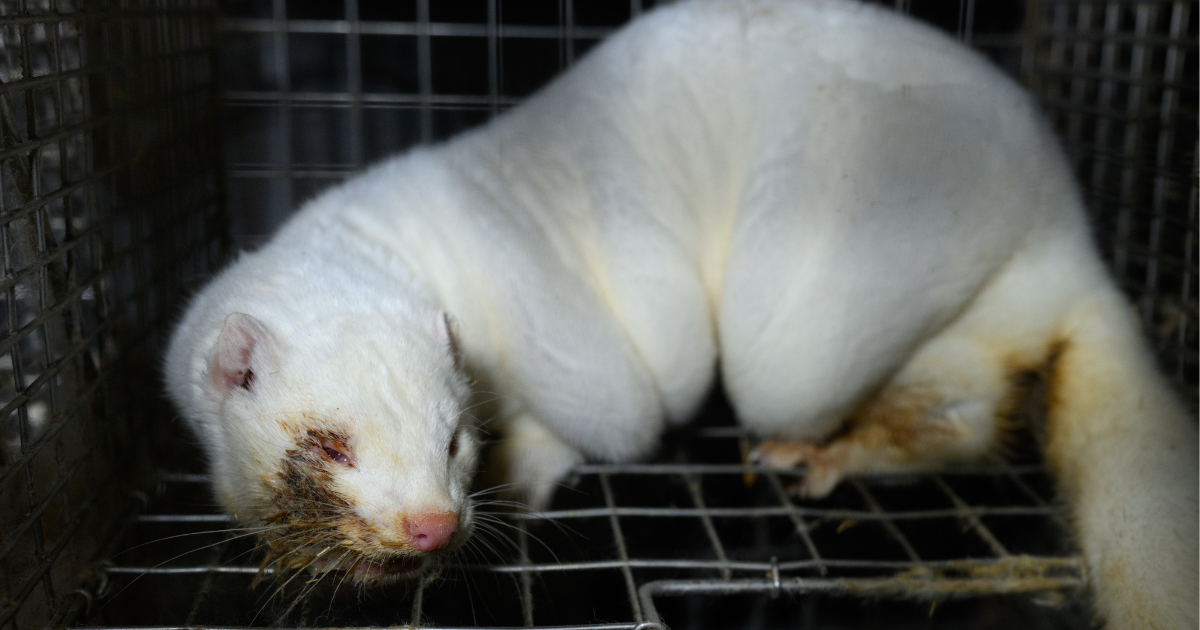
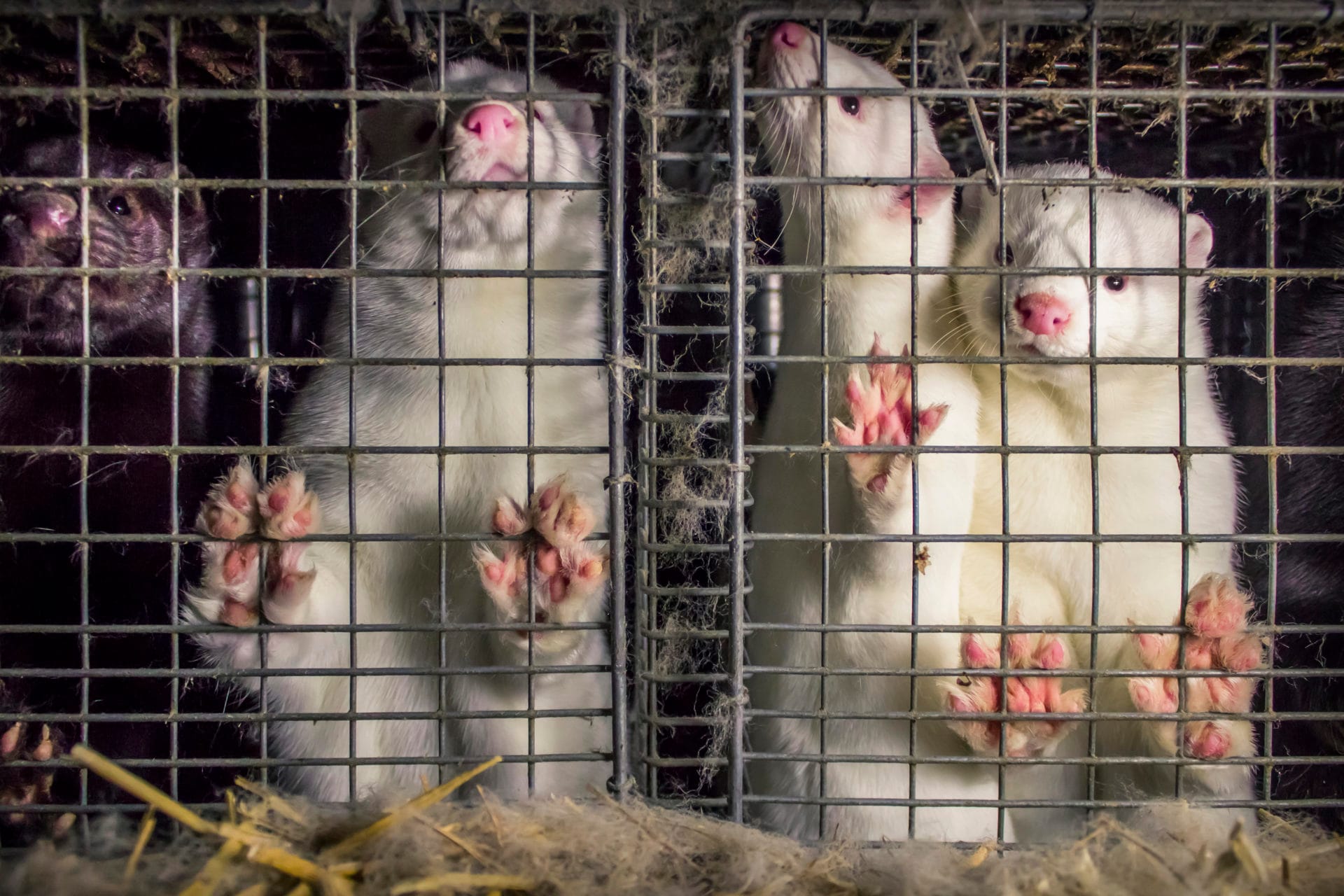
Representatives from Junts per Catalunya, Candidatura d’Unitat Popular, Catalunya en Comú, and Esquerra Republicana de Catalunya gathered outside the Parliament of Catalonia to support the “End Fur” initiative, promoted by the animal protection organisations ARDE and INTERCIDS. Members of parliament held signs reading “No more fur farming” and “End Fur,” while campaigners displayed images of animals affected by the industry.
Of the 32 fur farms still operating in Spain, all are concentrated in Galicia, except for a single facility in the region of Valencia. The initiative seeks to prevent the authorisation of new fur farming operations in Catalonia. Julia Elizalde, spokesperson for ARDE, stated:
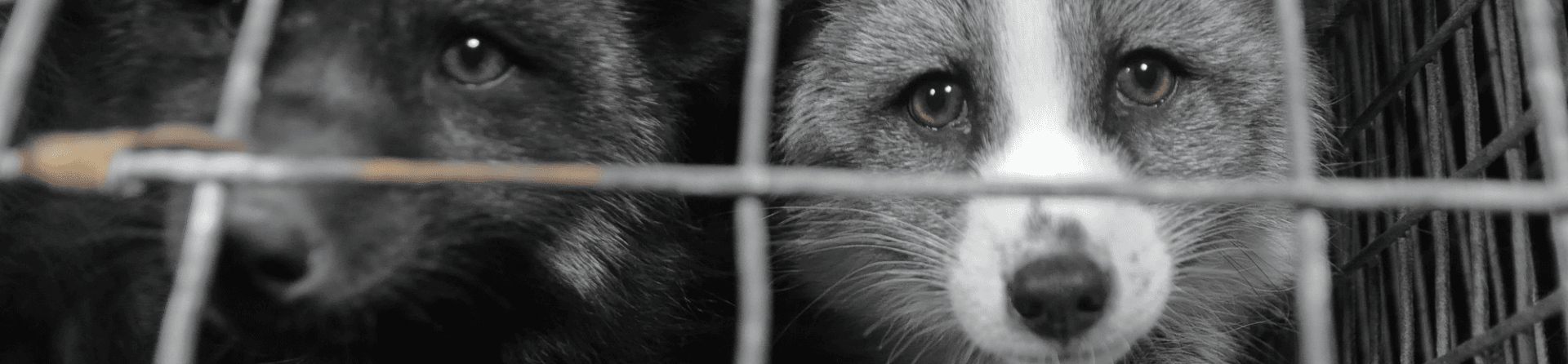
“Catalonia has the opportunity to lead with this measure by bringing an end to a cruel practice that causes suffering to foxes, minks and raccoon dogs, while aligning Catalan legislation with European trends and helping to reduce public health risks linked to zoonotic diseases.”
According to the Study on Perceptions of Nature and Animals, published by the BBVA Foundation in 2025, the use of animals to “produce fur coats for humans” is considered unacceptable by 90% of the public.
Mink farms have been shown to pose a real risk to public health. Between December 2020 and October 2021, 18 outbreaks of SARS-CoV-2 were recorded on fur farms in Spain, including at least one case of reinfection. In October 2022, the first outbreak of highly pathogenic avian influenza was also detected on a mink farm.

In its scientific opinion published in July 2025, the European Food Safety Authority (EFSA) concluded that fur production systems used in the European Union represent high-risk zoonotic environments due to high animal densities, prolonged confinement, and the high susceptibility of minks to respiratory viruses. The report also found that these systems cause severe and widespread animal suffering, including restricted movement, injuries, stereotypic behaviours and self-mutilation, and emphasised that most of these issues cannot be effectively prevented or mitigated within current cage-based systems.
These findings are consistent with the position of the European and international veterinary community. In 2025, organisations representing more than 330,000 veterinarians called for the phase-out of fur farming across Europe, as well as a ban on fur imports from third countries, considering the practice incompatible with public health and animal welfare.
Eighteen European Union Member States have already taken steps to end this activity. At the end of 2025, Poland — the largest fur producer in Europe and the second largest globally after China — adopted legislation banning the establishment of new fur farms with immediate effect and setting a timeline to phase out existing operations. In this context, representatives from animal protection organisations in Germany, the Netherlands, Belgium, the United Kingdom and Lithuania — countries where effective bans are already in place — attended the event to express their support.